

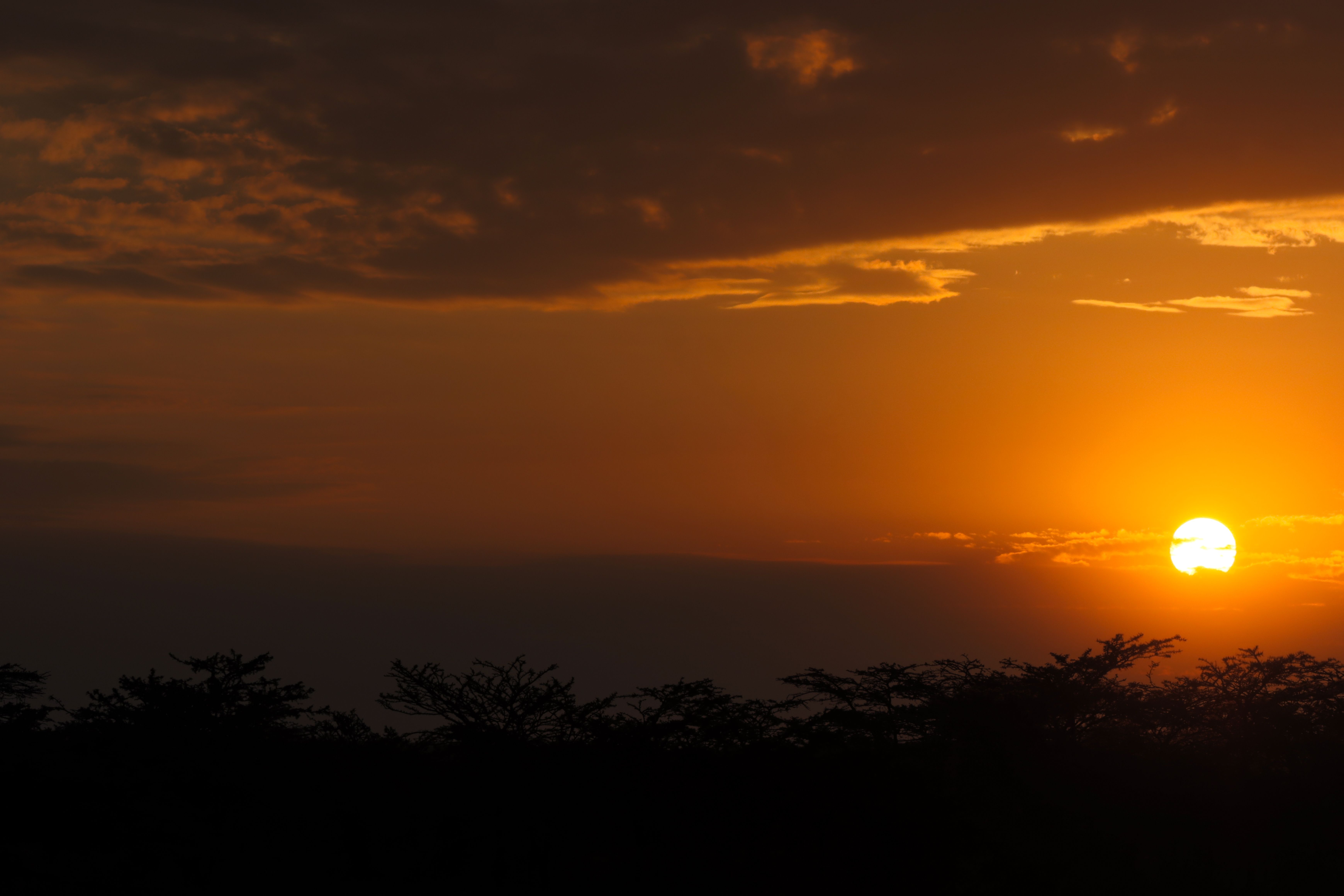
Kenya's wildlife behaves differently after dark. Leopards hunt instead of resting in trees, hyenas move in coordinated packs, and species you rarely see by day, aardvarks, civets, bush babies, come out to forage. A guided night safari in Kenya shows you a side of the bush that a standard daytime game drive simply can't.
Here's the direct answer, before anything else: yes, night game drives are legal in Kenya, but only inside private and community conservancies. They are not permitted in Kenya Wildlife Service (KWS) National Parks or National Reserves, including the Masai Mara National Reserve itself. Get that distinction wrong and you'll book the wrong safari.
Why Night Game Drives Are Banned in National Parks (and Where They're Legal)
Kenya's national parks and reserves close to visitors at 6:30 PM. That's not a suggestion — it's KWS regulation, enforced at the gate. Amboseli, Tsavo East and West, Nairobi National Park, and the Masai Mara National Reserve all fall under this rule.
The rule exists for real reasons, not bureaucratic caution:
- Poaching control. Darkness is when poachers move. Restricting all vehicle movement after hours makes illegal activity easier to spot and harder to hide.
- Off-road driving risk. Spotlighting wildlife at night tends to pull vehicles off established tracks, which damages habitat and stresses animals already living in high-traffic reserves.
- Light and noise disturbance. National reserves see hundreds of vehicles a day. Add unrestricted night traffic and the pressure on wildlife compounds fast.
The workaround isn't a loophole so much as a different model entirely: private and community conservancies. Places like Mara North, Naboisho, Olare Motorogi, Ol Pejeta, and Soysambu operate under their own conservancy boards, not KWS. Vehicle numbers are capped by contract, guiding standards are set locally, and night drives are built into the experience rather than banned from it.
| National Parks & Reserves | Private Conservancies | |
|---|---|---|
| Gate closing time | 6:30 PM, strictly enforced | No fixed closing time |
| Night drive permission | Not permitted | Permitted, guide-led |
| Vehicle density | High, especially at sightings | Capped by conservancy agreement |
| Off-road tracking | Prohibited | Permitted with trained guides |
| Guest experience | Shared, crowded sightings | Private, low-vehicle-count viewing |
If a tour operator tells you they'll take you on a night drive inside the Masai Mara National Reserve, or inside Amboseli or Tsavo, that operator is either misinformed or lying. Either way, walk away. When you're checking legal night game drive rules in Kenya, the conservancy-versus-reserve distinction is the one thing to get right before booking anything.
Enforcement isn't loose, either. Conservancy rangers and KWS patrols both monitor movement after dark, and operators caught running unauthorized night drives inside protected reserves risk losing their licenses. That's part of why it pays to book through an operator with existing conservancy relationships rather than one improvising an itinerary on the fly.
How a Night Game Drive Differs from a Standard Day Game Drive
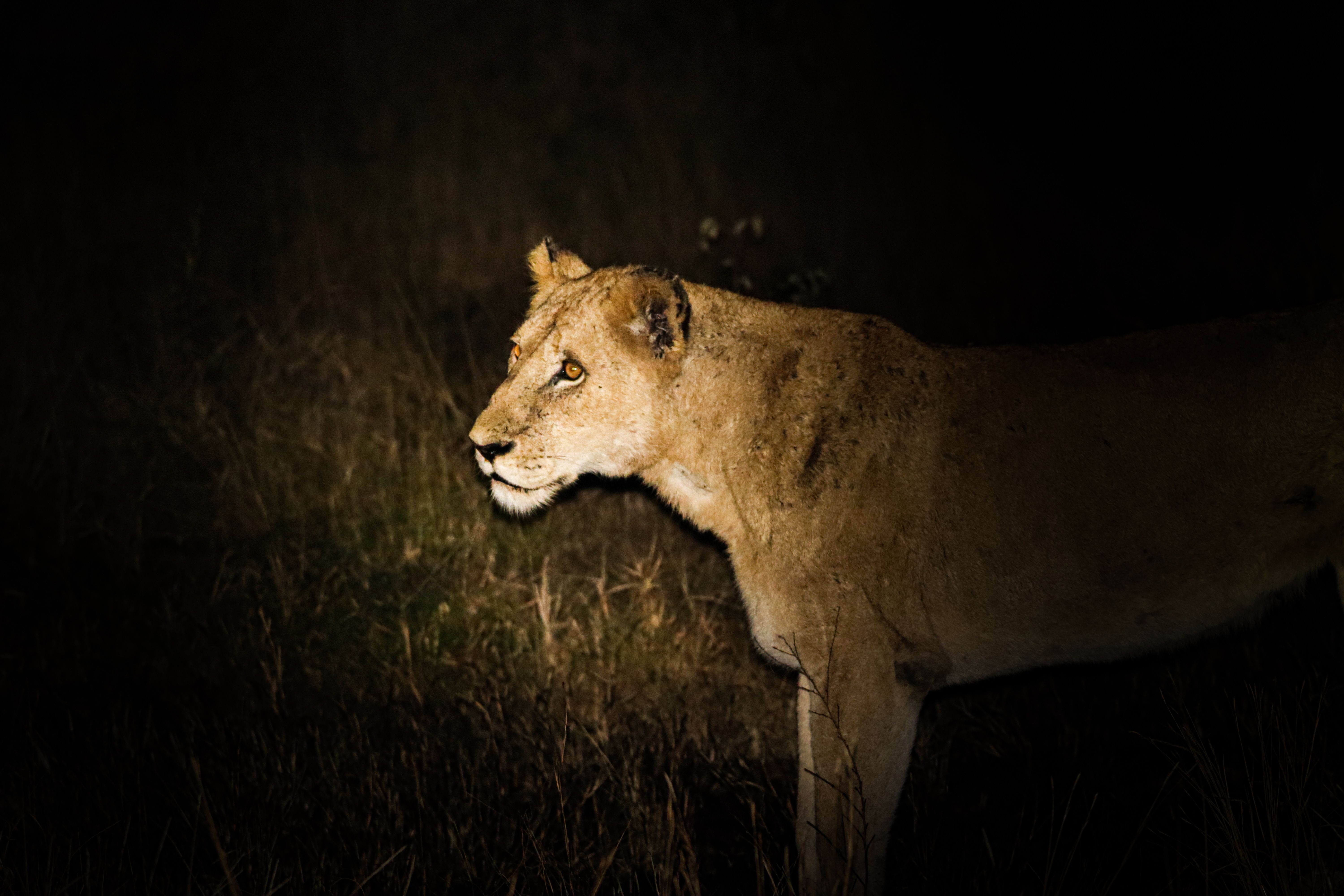
A day game drive in Kenya is built around visibility and coverage, you're moving across open plains, following radio reports from other guides, chasing sightings across a wide area. A night game drive works differently. Routes are shorter, speeds are slower, and the guide relies as much on sound and eye-shine from the spotlight as on open sightlines. You'll cover less ground, but the sightings tend to be closer and less rushed, since there's no queue of other vehicles waiting behind you.
The pace also changes what you notice. Daytime safaris reward patience over hours; night drives reward patience over minutes; a guide will often stop the vehicle and simply wait in silence after spotting fresh tracks or hearing an alarm call from impala or baboons nearby.
The Top Destinations for Legal Night Game Drives in Kenya
The Greater Masai Mara Conservancies (Naboisho, Mara North, Olare Motorogi)
This is the epicenter of predator activity in East Africa, and the conservancies surrounding the Mara give you legal access to it after sunset. An evening game drive in the Masai Mara conservancies typically covers more ground than a national reserve drive, since guides aren't restricted to daylight hours or fixed routes. Maasai spotters, many of whom grew up tracking on this land, work with red-filtered handheld lights, scanning for movement in the long grass. Vehicle limits here are strict, often one or two vehicles per sighting, which means you're not watching a hunt over someone else's shoulder. [Link to: Masai Mara Conservancy Itineraries]
Ol Pejeta Conservancy (Laikipia Ecosystem)
Ol Pejeta is best known for its black and white rhino sanctuary, and rhinos don't stop being interesting once the sun goes down. A night game drive at Ol Pejeta Conservancy regularly turns up rhinos grazing in the open, lion prides mid-hunt, and the conservancy's healthy population of nocturnal small predators. It's also one of the more accessible conservancies for travelers combining a Laikipia stop with a Mara or Amboseli itinerary.
Lake Elementaita & Soysambu Conservancy
Soysambu sits in the Great Rift Valley, along the shores of Lake Elementaita, and offers a genuinely different night-drive experience: strong nocturnal birding, striped hyenas instead of the spotted variety, and caracals, a cat most visitors never see even after multiple safaris.
Lewa & Borana Conservancies
Lewa and Borana are conservation strongholds first, tourism destinations second, and that order shows in how night drives are run here. Guest numbers are limited, guiding protocols are strict, and the experience leans toward quiet observation over spectacle. If you want exclusivity without compromise, this is where to look.
Amboseli Ecosystem Conservancies (Kimana, Selenkay)
Amboseli National Park itself is off-limits for night drives, but the community conservancies bordering it, Kimana and Selenkay among them, allow them. These conservancies sit in the shadow of Kilimanjaro, and while the mountain disappears once the sun sets, the elephant herds Amboseli is famous for don't stop moving after dark. Night drives here also turn up spotted hyena clans and, on quieter nights, aardwolves, a smaller and far less commonly sighted relative of the hyena.
Nocturnal Wildlife Guide: What Animals Do You See at Night?
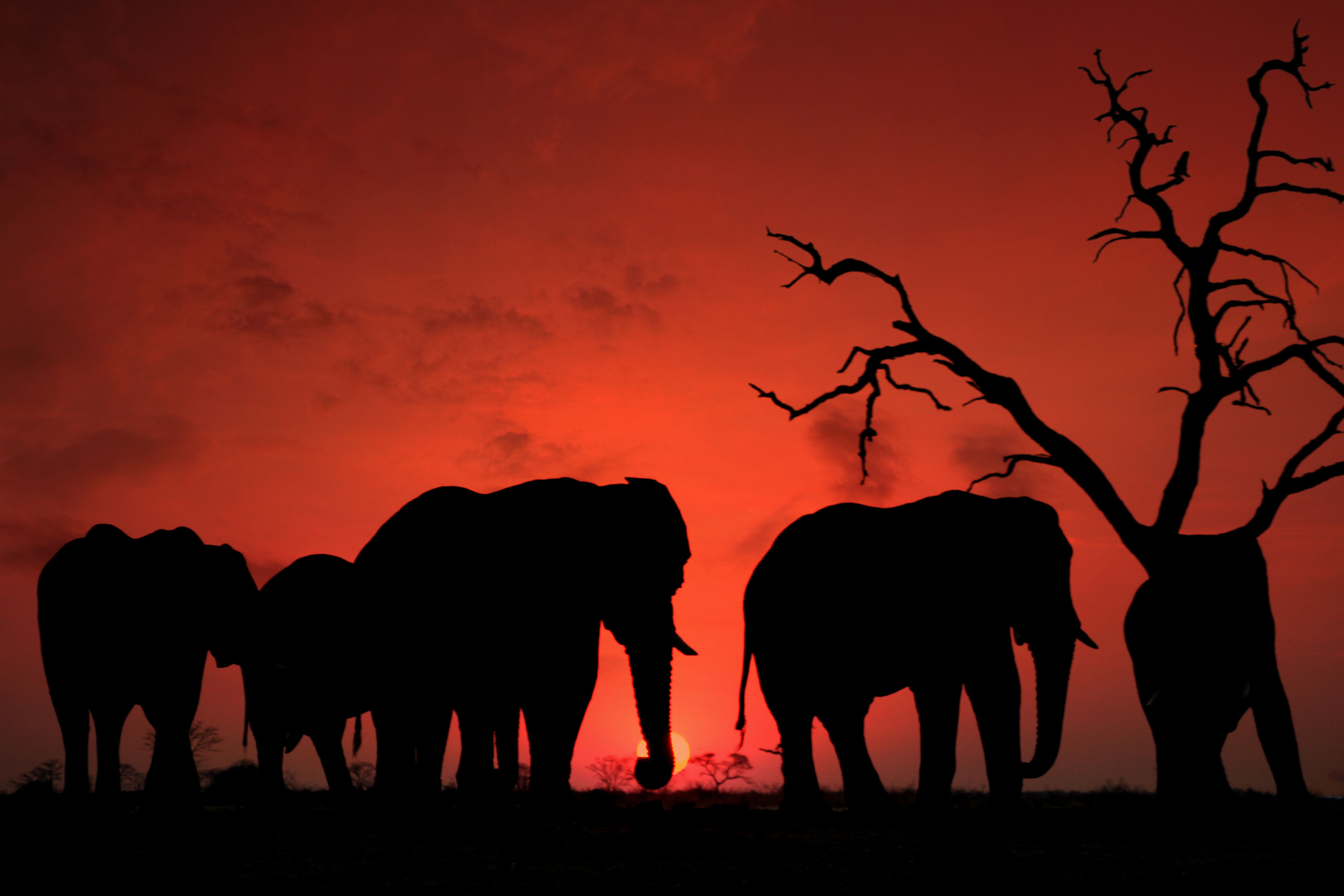
Daytime safaris show you a version of the bush that's mostly resting. Lions sleep up to 20 hours a day, leopards hole up in trees or thickets, and a long list of species simply don't move much until the temperature drops. Night drives flip that entirely. Cooler air means less energy spent regulating body temperature, which is part of why so many predators and mid-sized mammals shift their hunting and foraging into the evening and early morning hours. It's also quieter, with less vehicle traffic and human activity to avoid, so animals that stay hidden by day often move more openly at night.
The Apex Hunters
- Leopards become far more active and visible after dark, moving between territories and hunting in earnest rather than lounging in a tree.
- Lions often stage their most serious hunting attempts in the first few hours after sunset, when herbivores are harder to spot and the heat has broken.
- Spotted hyenas shift from scavenger to active hunter at night, working in coordinated groups that rarely show themselves in daylight.
The Rare and Secretive Creatures
- Aardvarks are almost never seen by day — they're strictly nocturnal diggers, and a sighting is genuinely rare even for guides.
- Bat-eared foxes forage at dusk and into the night, using those oversized ears to locate insects underground.
- Bush babies (galagos) leap between branches overhead, often heard before they're seen.
- Civets and genets move low and quiet through the undergrowth, hunting small prey that stays hidden during the day.
- Porcupines emerge from daytime burrows to forage once it's dark and safer to move.
- Honey badgers are most active at night, and encountering one is one of the more unpredictable moments a night drive can offer.
Essential Rules, Etiquette, and Safety on a Night Safari
Red-filter spotlights, not white light. White light is disorienting and stressful for nocturnal animals, and it can interfere with a predator's night vision mid-hunt. Reputable conservancies use red or amber filters, which let guests see without disturbing the animal's behavior.
Stay inside the vehicle. This is a safety rule that also protects the wildlife's natural behavior around vehicles.
Keep noise down. Sound carries further at night, and loud conversation or camera shutters can spook animals well before your vehicle even reaches them.
Dress warmer than you think you need to. Kenya's savannah cools fast once the sun drops, even after a hot day. Warm layers, a beanie, and closed shoes make a real difference. Pack insect repellent too, it's a bush evening, not a heated lodge veranda.
Follow the guide's lead on the spotlight. Guests aren't usually allowed to operate the spotlight themselves. Guides are trained to sweep it slowly and avoid holding it directly on an animal's eyes for more than a few seconds, which matters more than it sounds like it would.
Manage expectations on group size. Most conservancies cap night drive vehicles at 6-7 guests, which keeps things quiet but also means popular time slots can book out fast in peak season. Confirm your slot in advance rather than assuming you can add one on at the lodge.
Costs, Logistics, and How to Plan Your Night Drive
Expect to pay $60–$150 per person, depending on the conservancy's conservation fees and whether the drive is included in your lodge package or booked separately. Ol Pejeta and the Mara conservancies tend to sit at the higher end given demand and guiding standards.
Most night drives start between 7:00 PM and 9:00 PM, either right after or right before dinner. Two-hour drives are standard.
Book with a licensed, conservancy-approved operator like Beyond The Plains Safaris. Conservancies vet who they let onto their land after hours, and an operator without established relationships may not get you access at all, or worse, may attempt to take you somewhere it isn't legal.
Best time of year to go. Night game drives run year-round, but the dry seasons, January to March and June to October, tend to concentrate wildlife around remaining water sources, which makes for more predictable sightings after dark. The wetter months (April, May, November) still offer good drives, particularly for birding and general nocturnal activity, and conservancies are quieter then too.
Booking lead time. Because vehicle numbers per sighting are capped, popular conservancies like Naboisho and Ol Pejeta can sell out night drive slots during July–September peak season. Booking two to three months ahead is a safe margin; during shoulder seasons, a few weeks is usually enough.
Frequently Asked Questions About Kenya Night Game Drives
Are night game drives allowed in the Masai Mara National Reserve?
No. Night game drives are banned inside the Masai Mara National Reserve itself. They're legal in the surrounding private conservancies — Mara North, Naboisho, and Olare Motorogi among them — which operate under separate rules from KWS.
Is it safe to do a night game drive in Kenya?
Yes, when done with a licensed operator in an approved conservancy. Guides are trained for night conditions, vehicles stay on designated routes, and guests remain inside the 4x4 at all times.
What should I wear on a night game drive in Kenya?
Warm layers are essential — temperatures drop fast after sunset, even after a hot day. Bring a jacket, a beanie, closed shoes, and insect repellent.
What is the best conservancy for night game drives in Kenya?
Ol Pejeta and the greater Mara conservancies (Naboisho, Mara North, Olare Motorogi) are generally considered the strongest options, offering high predator activity alongside strict, low-density guiding standards.
Can I take photos during a night game drive?
Yes, but without flash. Flash photography startles animals and can interfere with a guide's red-filter lighting setup. A camera with good low-light performance is your best bet.
How long does a typical night game drive last?
Most night game drives in Kenya run around two hours, starting between 7:00 PM and 9:00 PM. Some conservancies offer combined drives that start at dusk and continue into full darkness, giving you both the sunset transition and the deeper night activity.
Do children have age restrictions on night game drives?
Policies vary by conservancy, but many set a minimum age of 6 to 8 years old for night drives specifically, stricter than the general safari minimum. It's worth confirming directly with the conservancy or your operator before booking if you're traveling with younger children.
Experience Kenya's Hidden Night Life with Beyond the Plains Safaris
Knowing where night drives are legal is only half the job. Getting access to the right conservancy, at the right camp, with a guide who actually knows the terrain — that's the part most travelers can't arrange on their own.
Beyond the Plains Safaris builds every itinerary around this exact detail. Our private, tailor-made safaris place guests in conservancies with confirmed night-drive access — Naboisho, Mara North, Ol Pejeta, and beyond — so you're never left wondering whether the experience you booked is actually legal or available. Every safari runs in a private 4x4 Land Cruiser, with no group vans and no shared itineraries. [Link to: Kenya Safari Packages]
If you want to add a night game drive to your Kenya safari itinerary, request a custom itinerary quote from Beyond the Plains Safaris and we'll build it around the conservancies that can actually deliver it.









Comments (0)
Leave a Comment
No comments yet. Be the first to comment!